How to Sell a Horse: Price, Photos & Ad Tips (2026)
How to sell a horse fast: set the right price, take photos that sell, write a clear ad, screen buyers and close the sale safely with a bill of sale.
To sell a horse, price it against comparable horses, show it honestly with clear photos and video, write a specific ad, screen every buyer, and finish with a written bill of sale. Most horses that sit unsold have a price, photo or description problem, not a market problem. This guide walks you through each step so you can sell faster, protect yourself and get a fair price.
Quick answer: how to sell a horse in 7 steps
Get a current vet check and gather the papers, records and training history.
Research comparable horses and set a realistic price.
Take clear photos and a short riding or handling video.
Write a specific, honest ad with the details buyers ask about.
Post it where horse buyers actually search, such as Equine Listings.
Screen buyers, schedule safe trials and allow a pre-purchase exam.
Close with a written bill of sale and a clear payment plan.
1. Get the horse and the paperwork ready
Buyers pay more, and decide faster, when the answers are already in front of them. Before you list, collect what a serious buyer will ask for:
Registration or breed papers, plus Coggins and vaccination records.
A recent vet check or lameness evaluation, especially for performance or high-priced horses.
Dental, farrier and deworming history.
Show records, training notes and any lesson or trainer references.
Honest notes on quirks: trailering, clipping, shoeing, behaviour in company, anything that matters.
Disclosing issues up front feels risky, but it screens out buyers who would walk later and protects you if a dispute comes up afterwards.
2. Set the right price for your horse
Overpricing is the most common reason a horse sits on the market. Price from evidence rather than emotion or what you have invested in training and board.
Search comparable horses. Look at similar age, breed, training level, discipline, location and registration.
Compare asking prices with real sales. Ask trainers or local barns what similar horses actually sold for.
Adjust for condition. Soundness, show record, temperament, and rideability by an amateur all move value.
Leave room to negotiate. Most buyers make an offer, so set an asking price you are happy to come down from.
For typical ranges and what drives them, see our guide to how much a horse costs in the USA and the Friesian horse price guide for breed-specific pricing.
3. Take photos and video that sell
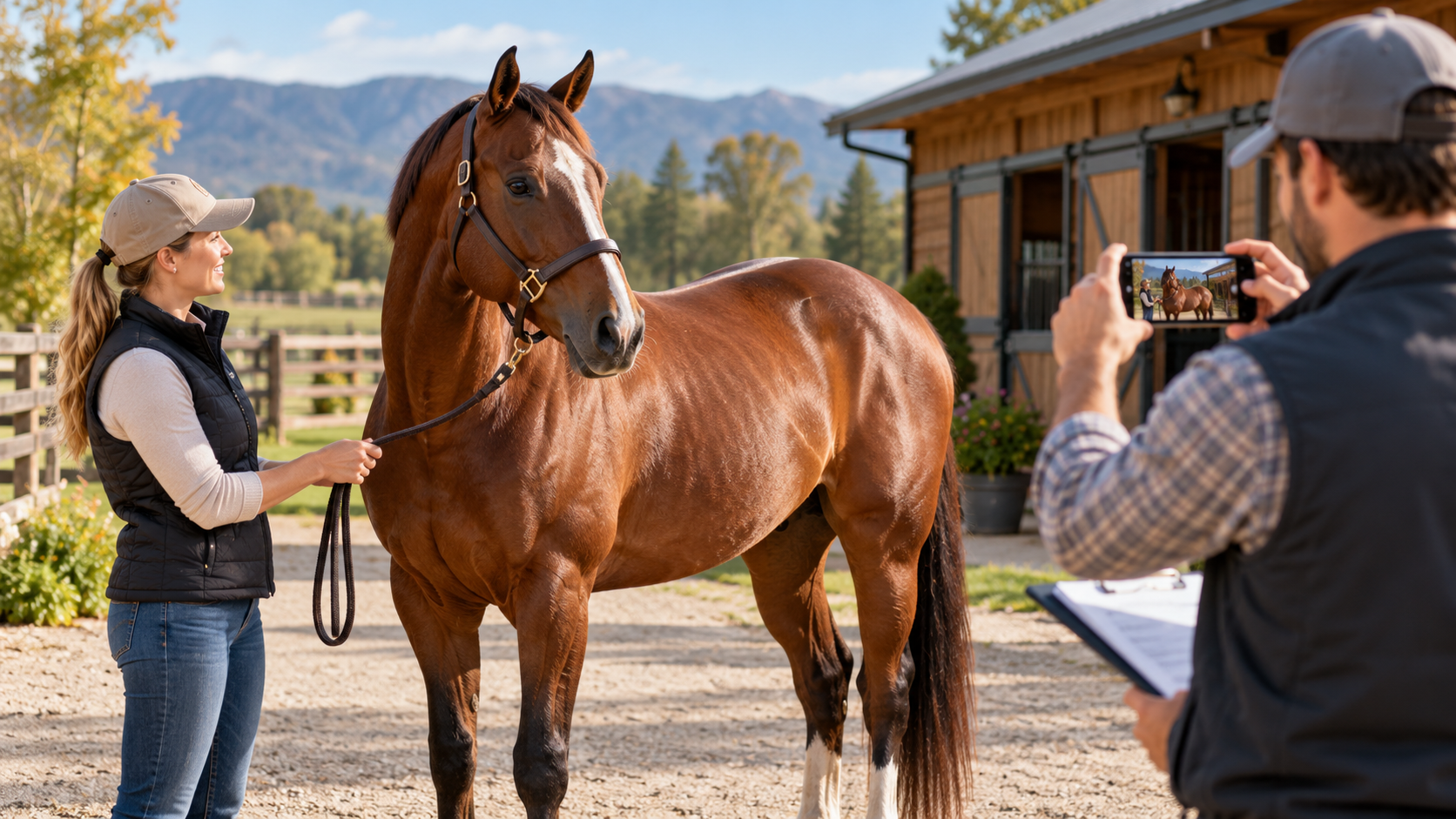
Photos decide whether a buyer opens your ad or scrolls past. You do not need a professional photographer, just good light and patience.
Shoot in soft daylight, on level ground, against a clean background.
Groom the horse and tidy the tack, mane and tail.
Include a stood-up side profile, front, rear, head, and a close look at legs and feet.
Take photos of the horse being ridden, handled, loaded or jumped, as relevant to its job.
Add a 1 to 3 minute video: walk, trot and canter both ways, plus handling and mounting.
Video is the single biggest trust builder for long-distance buyers. A horse that looks the same in the video as it does in the photos gets far fewer time-wasting enquiries.
4. Write an ad that gets replies
A strong ad answers a buyer's first questions before they have to ask. Lead with the facts, then the personality.
What to include in your horse ad
A specific title: age, breed, height, colour, sex, discipline and location.
Level of training and what the horse has actually done.
Temperament, and the rider it suits (beginner-safe, experienced only).
Health and soundness, plus any vet records you can share.
Registration, bloodlines and show record if relevant.
Why you are selling, which builds trust.
Your asking price and how you prefer to be contacted.
5. Choose where to advertise
Post where horse buyers are already searching, then share your ad link to local barn groups, trainers and your own social channels. A dedicated marketplace helps buyers filter by breed, discipline, price and location. You can place your ad on Equine Listings in a few minutes, add photos and video, and manage enquiries from your dashboard.
6. Screen buyers and handle viewings safely
Most enquiries are genuine, but a little screening saves time and keeps everyone safe.
Ask about riding experience, goals and where the horse will live.
Speak by phone or video before inviting anyone to visit.
Never send personal or bank details to a stranger before meeting.
Have someone with you during viewings and keep the horse in a controlled area.
Let the buyer try the horse more than once, and consider a trial period in writing.
Be wary of buyers who offer to pay over the asking price, want to send a courier, or never ask a question about the horse. These are common scam patterns.
7. Allow a pre-purchase exam
A serious buyer will want a veterinarian to examine the horse. Welcome it. A pre-purchase exam (PPE) protects the buyer and reduces the chance of disputes later. See our step-by-step PPE guide so you know what to expect and how to prepare.
8. Close the sale properly
Once price and terms are agreed, put everything in writing. A bill of sale records who is buying, who is selling, the horse's identity, the price, and what is and is not warranted. It protects both sides.
Name and contact details of buyer and seller.
Horse's name, breed, age, colour, markings and any registration or microchip numbers.
Purchase price, deposit, and payment method and date.
Any warranties, trial terms, or an 'as is' statement.
Date and both signatures.
Our guide to what every equine bill of sale must include explains each clause, and you can create one with the free Bill of Sale generator.
Take payment in a traceable form, and release the horse and papers only after funds have cleared.
Common mistakes that slow down a horse sale
Pricing on emotion or training costs rather than comparable sales.
Using dark, crowded or cropped photos, or no video at all.
Writing a short ad with no detail on training, health or temperament.
Hiding known issues that are discovered at the vet check.
Skipping the written agreement.
Sell your horse on Equine Listings
Post a detailed ad in minutes and reach serious horse buyers.
Frequently asked questions
It varies widely with price, training level, season and how well the horse is presented. A fairly priced, well-photographed horse with a detailed ad usually attracts enquiries within days, while the sale itself can take weeks or months.