
How Much Does a Horse Cost? Horse Prices in the USA
Wondering how much a horse costs in the USA? Learn typical horse prices, what affects a horse's value, and the additional costs to budget for before buying.
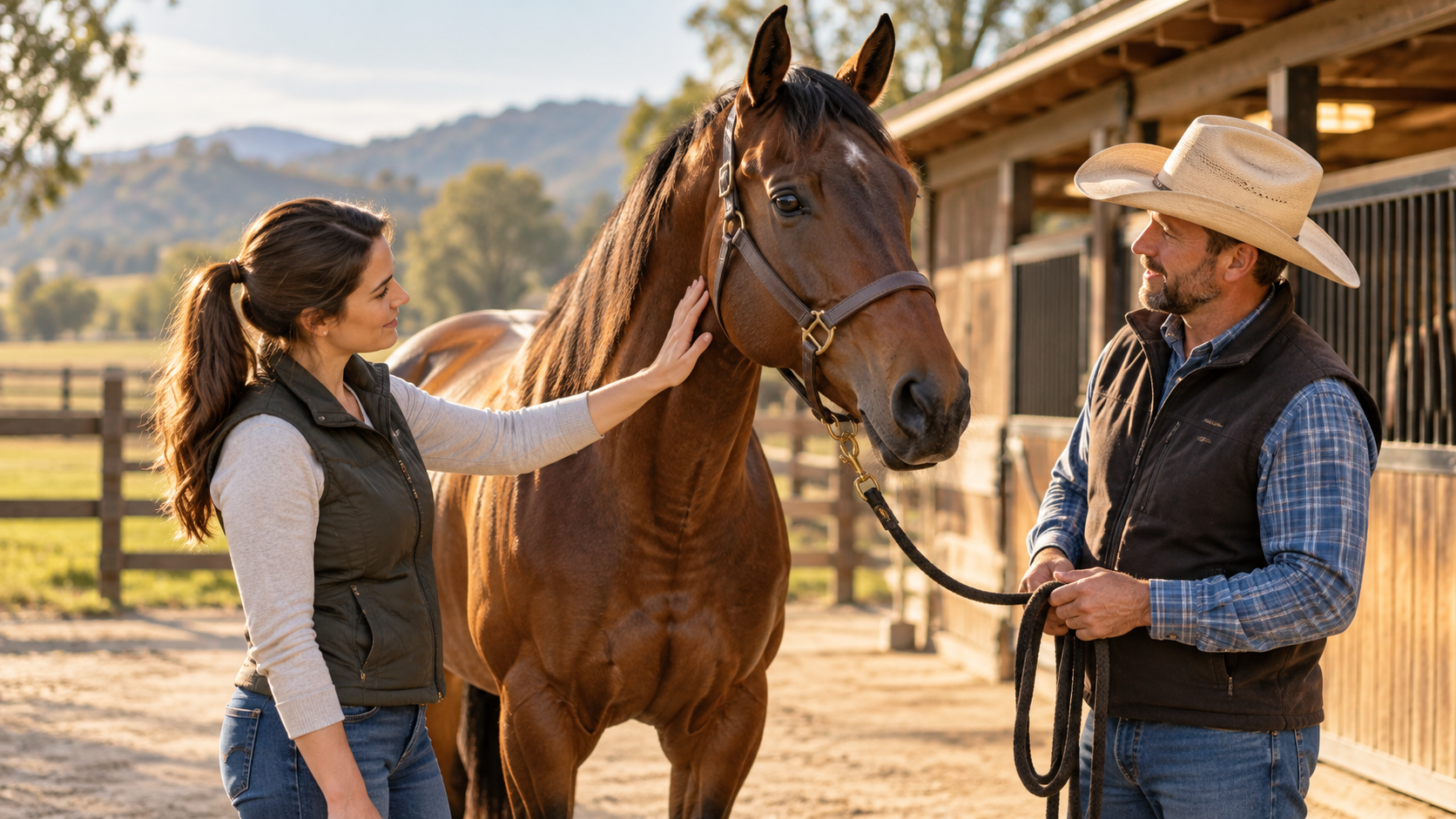
How much does a horse cost? In the United States, a horse can cost anything from a rescue adoption fee of a few hundred dollars to six figures or more for a proven competition horse or a top racing prospect. There is no single national horse price. The price depends mainly on breed, age, training, pedigree, discipline, health and soundness, competition record and location.
As a guide, rescue adoption fees commonly run from about $100 to $1,000, off-track Thoroughbreds recently averaged around $3,000, and young horses at university sales have averaged roughly $3,800 to $13,400. The purchase price is only the start: a 2023 industry study put the basic yearly cost of keeping a horse at about $8,600 to $26,000.
Key Takeaways
Horse prices vary enormously. Published sale prices run from a few hundred dollars to six and seven figures, and no credible source publishes one national average.
Training and intended use matter more than breed. A trained, sound horse with experience in your discipline usually costs more than an untrained horse of the same breed.
The purchase price is only part of the cost. Boarding, feed, hoof care and veterinary care continue every month and often add up to more than the horse.
Pre-purchase checks are worth paying for. A veterinary exam typically costs a few hundred dollars, and radiographs can add more than $1,000.
Set a total ownership budget first. Know what you can spend each month, including an emergency fund, before deciding what to pay for the horse.
How Much Does a Horse Cost in the USA?
The American Horse Council estimates there are about 6.6 million horses in the United States, sold through rescues, breeders, auctions, online listings and private deals. Most private sales are never published, so there is no reliable national average horse price.
It helps to separate two kinds of numbers. An asking price is what a seller lists a horse for; a sale price is what a buyer actually paid. The ranges below are published sale prices, which makes them the most dependable evidence, but each covers only one part of the market.
Typical horse price ranges by type
Rescue or adoption horse: fees commonly run from about $100 to more than $1,000 (University of Minnesota Extension). Price drivers: age, health, training and the rescue's policies.
Off-track Thoroughbred (OTTB): trainers in the Retired Racehorse Project's 2024 Thoroughbred Makeover paid an average of $3,067, including adoptions. Price drivers: soundness, time since racing and retraining.
Young horses at university sales: the University of Florida's Sale in the Swamp, which sells two-year-olds bred and started in its program, averaged about $9,100 to $13,400 from 2023 to 2026. Ohio State's Buckeye Bonanza averaged about $3,800 to $4,700 from 2023 to 2025. Price drivers: age, pedigree and early training.
Western performance prospects: the 2025 NCHA Futurity sales for cutting horses averaged $57,861, and the 2025 NRCHA Snaffle Bit Futurity sales for reined cow horses averaged $38,691. Price drivers: bloodlines, age and show results.
Racing Thoroughbreds: the median across all North American Thoroughbred auctions in 2024 was $30,000; at the 2025 Keeneland September Yearling Sale it was $80,000. Price drivers: pedigree, conformation and the sire's record.
Miniature horses: the American Miniature Horse Association gives $1,000 to $200,000. Price drivers: sex, size, conformation, bloodline and show record.
What Affects the Price of a Horse?
Sellers price horses on a combination of factors. In practice, buyers pay for either potential (a young horse that may develop) or proof (a horse that has already shown what it can do).
Breed
Breed sets the general market a horse sells in, but it rarely decides the price on its own. Registration papers from a breed association matter when you plan to show or breed, and less if you want a trail partner.
Age
Young horses are sold on potential, so they cost less to buy but more time and money to bring along. By about six to nine years old, a horse is expected to show proof of its training. Older, well-trained horses can cost less and still suit a beginner.
Training and experience
Training is often the single biggest driver of price, because it represents months or years of professional time. A horse that is safe, willing and experienced in a specific job is worth more to most buyers than an unstarted one.
Discipline
Each discipline has its own market. A horse suited to cutting, reining, dressage or show jumping is priced against other horses in that sport, not against the wider horse market.
Pedigree and bloodlines
Bloodlines matter most in racing, breeding and Western performance events. At the very top of the market, Thoroughbred stallions Into Mischief and Gun Runner each stand for a $250,000 stud fee in 2026.
Competition record
Wins, placings and earnings show what a horse has already done. A consistent show record reduces the buyer's risk, and sellers price it accordingly.
Health and soundness
A sound horse with clean radiographs and a documented veterinary history holds its value. Old injuries, lameness or conditions that need ongoing management usually reduce the price, and they can raise what you spend later.
Temperament
A calm, reliable horse that is easy to handle, load and ride is especially valuable to amateur riders, children and first-time owners.
Sex, color and timing
Smaller factors can still shift the price. A 2025 Illinois State University analysis of 2,382 horses sold through an online sport-horse auction found that mares sold for about $1,789 less than geldings, and that chestnut horses sold for about $738 less than bays and browns. An earlier study of the same kind of sale found average prices were lower in March than in September.
Location and demand
Location affects what you pay to view, transport and keep a horse. Local demand also matters, such as ranch horses in cattle country or sport horses near major show circuits.
Horse Prices by Breed
The price range within a breed is usually wider than the difference between breeds. A green-broke Quarter Horse and a futurity-bred cutting prospect are both Quarter Horses, yet their prices can be tens of thousands of dollars apart. Use breed as a starting point, then look at training, age and soundness.
Quarter Horse
Quarter Horses are widely available across the US, from affordable ranch and trail horses to Western performance prospects. Futurity-bred cutting and reined cow horses sit at the top of the breed's market.
Thoroughbred
Thoroughbreds sell in two very different markets. Racing prospects bring tens or hundreds of thousands of dollars at auction, while retired racehorses are far more affordable but usually need retraining for a new career.
Arabian, Friesian, Gypsy Vanner and Appaloosa
These breeds attract strong search interest, but their breed associations do not publish price data, and most figures circulating online are unsourced. Registration, bloodlines, age, training and show record drive their prices. Driving or dressage training can add value to Friesians and Gypsy Vanners, show-bred Arabians are priced very differently from pleasure and endurance horses, and an Appaloosa's coat pattern matters less than its training.
Clydesdale and other draft breeds
Draft horses are commonly bought for driving, farm work, shows and pleasure riding. At the 2024 National Clydesdale Sale, the top-selling gelding brought $46,000 and the top mare $28,000. These were the highest prices at the sale, not typical ones, and no average was published.
Miniature Horse
The American Miniature Horse Association lists purchase prices from $1,000 to $200,000. Miniatures eat far less than full-size horses, but they still need regular hoof care, vaccinations and dental care.
Horse Prices by Use or Discipline
Recreational and trail horses
Safe, sound trail and pleasure horses are mostly sold privately, so little price data is published. In the Illinois State University auction analysis, horses listed for trail riding sold for about $1,001 less than otherwise similar horses, while training for hunter under saddle added about $922.
Barrel racing, cutting and reining horses
Western performance horses are priced on bloodlines, age and results, and cutting and reined cow horse futurity sales averaged tens of thousands of dollars in 2025. We found no reliable current price average for barrel horses, but pedigree, times and consistency drive their prices in the same way.
Dressage, show jumping, hunters and eventing
There is no public US dataset of English sport horse prices. In the Illinois State University analysis, warmbloods sold for about $4,000 more than Quarter Horses. For amateur riders, the level a horse has competed at and its soundness record matter most.
Breeding stock and stallion prospects
Breeding stock is valued on pedigree, conformation and the performance of related horses. Before buying a mare to breed, also budget for stud fees, veterinary reproductive work and the nearly year-long wait before a foal arrives.
Costs Beyond the Purchase Price
Over time, horse ownership costs usually exceed the purchase price. A 2023 study by Synchrony, the company behind the CareCredit financing card, surveyed 1,231 US horse owners and estimated basic yearly costs at about $8,600 for a backyard horse, $11,800 for a recreational horse and $26,000 for a competition horse.
Extension estimates look lower because they measure something different. New Mexico State University Extension puts feed, hoof care and basic health care at about $1,350 to $3,000 a year for a horse kept at home, not counting boarding or facilities.
Boarding
Boarding is often the largest single expense if you do not keep your horse at home. Using Synchrony data, The Horse reported average annual boarding costs of about $5,946 for backyard owners, $6,311 for recreational owners and $9,324 for competitive owners. In expensive areas such as South Florida, board can reach about $1,600 a month.
Hay and feed
An average 1,100-pound horse eats about 1.5% to 2% of its body weight in forage a day, or roughly three to four tons of hay a year. Hay prices vary by region, quality and season, and small bales cost more per ton than bulk.
Farrier and hoof care
Most horses need a farrier every 4 to 10 weeks, depending on their hooves, workload and whether they wear shoes. The Horse reports typical farrier visits of $50 to $150, or about $1,050 a year.
Routine veterinary and dental care
Routine care includes core vaccinations, parasite control guided by fecal egg counts, a yearly Coggins test and dental care. The American Association of Equine Practitioners' fee survey found average fees of about $59 for a farm call, $80 for an exam, $49 to $78 for a Coggins test and $127 for a routine dental float. Routine care can run from several hundred dollars to about $1,500 a year.
Tack and equipment
Plan for a saddle and pad that fit, a bridle, halter and lead rope, grooming supplies, blankets if your climate calls for them, and a first-aid kit. Used tack saves money, but have saddle fit checked.
Training and lessons
Riding lessons commonly cost about $40 to $100 an hour, depending on the region and the instructor. Many new owners find ongoing lessons or professional training worthwhile, especially in the first months with a new horse.
Insurance
Equine mortality insurance is priced as a percentage of the horse's insured value. For a horse aged 2 to 14 insured for $10,000, one US equine insurance agency quotes annual rates from about 2.9% to 3.9% and up, depending on the discipline. Medical and surgical coverage is an optional add-on, with premiums starting at about $250 a year.
Pre-Purchase Expenses to Budget For
Some of the cost of buying a horse comes before you own it. Budget for these separately from the purchase price.
Pre-purchase veterinary exam
A pre-purchase exam (PPE) is an evaluation by a veterinarian you hire to look for health and soundness problems before you buy. In the AAEP fee survey, a comprehensive exam with a written report averaged about $403, and radiograph packages averaged about $1,261. Endoscopy, ultrasound, bloodwork and drug screening add to the total.
Under AAEP guidelines, the veterinarian reports findings but does not "pass" or "fail" the horse. You decide whether the horse suits your plans, so use your own veterinarian rather than the seller's.
Transportation
Shipping costs depend on distance, the type of stall and whether the horse travels alone. University of Minnesota Extension has cited commercial hauling rates of about $1 to $2 per loaded mile, but get current quotes. Horses crossing state lines generally need a recent negative Coggins test and a health certificate.
How to Set a Horse Buying Budget
Set your total upfront budget. Decide the most you can spend before the horse comes home.
Separate the horse price from everything else. Subtract the pre-purchase exam, transport, tack and first veterinary visit; what remains is your purchase budget.
Estimate monthly ownership costs. Price local boarding, hay, farrier visits and routine veterinary care, and confirm you can cover them every month.
Decide on your discipline and experience level. For a first-time owner, a safe, experienced horse is often better value even at a higher price.
Leave a contingency fund. Keep savings or insurance in place for emergencies such as colic or injury.
Finding Horses Within Your Budget
The cheapest listing is not always the most affordable horse. A low-priced horse that needs months of training or ongoing veterinary care can cost more over time than a sound, well-trained horse with a higher asking price.
Search for the characteristics that matter to you, such as breed, age, training level, discipline and location, rather than price alone. When you're ready, browse horses for sale on Equine Listings, and ask sellers specific questions about training, health history and why the horse is for sale.
Frequently Asked Questions About Horse Prices
There is no reliable national average, because most private horse sales are never published. Published sale data shows a wide range: rescue adoption fees commonly run from about $100 to $1,000, off-track Thoroughbreds averaged about $3,000 in a 2024 survey, and performance and racing prospects can sell for tens or hundreds of thousands of dollars.
The Bottom Line on Horse Prices
Horse prices in the USA range from modest adoption fees to six figures and beyond. Decide how you will use the horse, set a total budget that includes monthly care and an emergency fund, and pay for a thorough pre-purchase exam. The right horse for your experience and goals is better value than the lowest price on a list.
Ready to see what's available?
Browse horses for sale across the USA on Equine Listings, and filter by breed, age, discipline and location to find horses that fit your budget.
Sources
American Horse Council, 2023 National Economic Impact Study
University of Minnesota Extension (Krishona Martinson), Costs and Considerations When Rescuing a Horse, 2017
Retired Racehorse Project, Meet the Thoroughbred Makeover Class of 2024
University of Florida, Sale in the Swamp results
The Ohio State University, Buckeye Bonanza past results
BloodHorse via TrueNicks, 2024 North American Thoroughbred auction results
NCHA Futurity Sales and NRCHA Snaffle Bit Futurity Sales results, 2025, as reported by SallyHarrison.com
Clydesdale Breeders of the USA, National Clydesdale Sale 2024 top-price results
TrueNicks, Into Mischief and Vekoma lead 2026 Spendthrift stud roster
Stiverson, Kibler and Thompson, The Role of Key Characteristics in Sport Horses as Valued by Buyers, Illinois State University, 2025
Ashburn et al., online sport-horse auction price study, Equine Science Society Symposium, 2021
Thoroughbred Daily News, 2025 Keeneland September Yearling Sale results
American Miniature Horse Association, Big vs. Small
Synchrony, Equine Lifetime of Care study (2023)
eXtension HorseQuest, How Much Storage Area Is Required for Hay?, 2019
New Mexico State University Extension, Are You Ready to Own a Horse? (Guide B-715)
The Horse, How Much Does It Cost to Own a Horse?
American Association of Equine Practitioners, DecadeOne and VMG 16 equine fee survey
American Association of Equine Practitioners, Guidelines for Reporting Purchase Examinations
Marshall+Sterling, Horse insurance rates
Horse Side Vet Guide, Colic Surgery: What Horse Owners Should Know