How to Buy a Horse: A Complete Guide for First-Time Buyers
Buying your first horse? Learn what to look for, which questions to ask, how to plan your budget and the steps to take before completing a purchase.
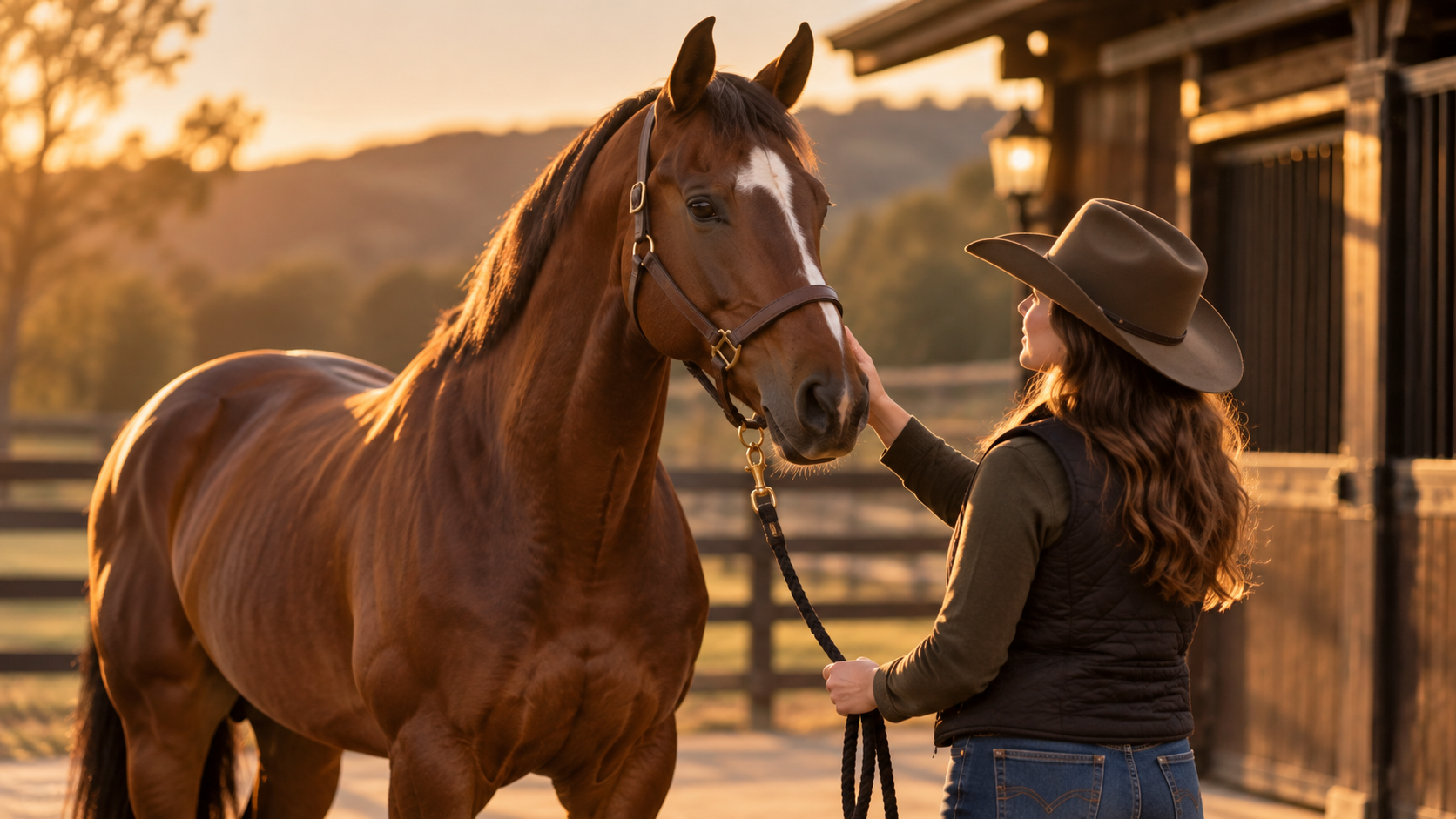
How to buy a horse: buying the right horse comes down to a series of steps. Define what you need as a rider and what you can afford, research suitable horses, and judge each horse's temperament and training. Then view and ride the horse, have your own veterinarian perform a pre-purchase exam, check the registration and ownership paperwork, and arrange safe transport home.
This horse buying guide walks through each step for first-time buyers in the United States, with the questions to ask and the mistakes to avoid along the way.
Key Takeaways
Match the horse to the rider. A first horse should have more training and experience than its rider. A green rider and a green horse are a risky pairing.
Budget beyond the price tag. The pre-purchase exam, transport, tack and monthly care all cost money, before and after you buy.
See, handle and ride the horse yourself, ideally more than once and with an experienced horse person or trainer beside you.
Get a pre-purchase exam from your own veterinarian. It reports the horse's condition on the day; it is not a pass or fail and not a guarantee.
Get the paperwork right, including a dated bill of sale, any registration transfer, and a current Coggins test and health certificate for travel.
Decide What Kind of Horse You Need
Before you look at a single listing, write down what you want to do with the horse and how experienced you are. That description is the most useful filter you have, and it keeps you from buying a horse on looks alone.
Your experience level
Be honest about your riding and handling skills. Utah State University Extension puts the principle simply: a young, inexperienced rider should not be paired with a young, inexperienced horse, and "the younger the child, the older the horse." If you are still learning, look for a horse that has been there and done that.
Riding goals and discipline
A quiet trail horse, a lesson horse for a child, a ranch horse and a show prospect are very different animals. Decide whether you will trail ride, compete, work cattle or ride for pleasure, and look for a horse with experience in that job.
Size and build
The horse should suit the rider's height, weight and strength. A horse that is too big can be hard for a small or novice rider to control and to mount, while one that is too small may struggle to carry a larger rider comfortably. A trainer or instructor can help you judge a good fit.
Age
For most first-time owners, an older, well-trained horse is a better choice than a young one. Rutgers University's equine extension notes that many horses stay serviceable to age 20 or older, and older horses often combine more training with a lower price. Young horses need an experienced rider or trainer to bring them along.
Temperament and training
Temperament matters most for a first horse. Training can improve a horse's skills, but it cannot change a difficult disposition. Extension guides from Rutgers and Utah State generally recommend geldings for novice owners because they tend to be steadier day to day, and both advise against stallions for beginners.
Set Your Horse Buying Budget
Your budget has two parts: what you can pay up front, and what you can spend every month. The up-front cost of buying a horse includes the purchase price plus the pre-purchase exam, transport, tack and any first veterinary and farrier visits. The ongoing costs include boarding or keeping the horse at home, hay and feed, hoof care, routine veterinary and dental care, and a fund for emergencies.
Start with the monthly figure. If you can comfortably cover care every month, the purchase price becomes a much easier decision. For current price ranges and typical ownership costs, see our guide to how much a horse costs.
Where to Look for Horses for Sale
Online marketplaces: let you compare many horses by breed, age, discipline, location and price before you travel. You can browse horses for sale on Equine Listings and shortlist the ones that fit your needs.
Trainers and riding instructors: often know of suitable horses, including lesson horses and horses they have ridden themselves. Ask whether they receive a commission on the sale.
Breeders: a good choice if you want a specific breed or bloodline, though many sell young horses that need further training.
Private sellers and word of mouth: local barns, clubs and riding friends can lead you to well-known horses with a documented history.
Rescues and adoption programs: can match you with a horse for an adoption fee. Ask about the horse's history and any ongoing care it needs.
Auctions: usually give you little time to evaluate a horse or arrange a veterinary exam, so they are better suited to experienced buyers.
What to Look for When Viewing a Horse
When you visit, ask to see the horse caught, groomed, tacked up and ridden by the seller before you get on. Watching the whole routine tells you far more than seeing a horse that is already saddled.
Temperament: Is the horse calm and attentive, or nervous and reactive? Watch how it responds to people and to other horses. Rutgers suggests noticing how the horse reacts when the seller approaches its stall.
Behavior on the ground: It should lead, stand tied, pick up its feet and accept grooming and tacking without fuss. Look for stable vices such as cribbing or weaving.
Movement: Watch the horse walk and trot in a straight line and on a circle. Uneven steps, head bobbing or stiffness are worth raising with your veterinarian.
Condition: Look at body weight, coat, hooves, eyes and legs. A horse that is very thin, very overweight or has neglected feet may need extra care and cost.
Training: Does the horse respond to the aids it is supposed to know? Ask the seller to show everything they say the horse can do.
Suitability for your use: A horse can be lovely and still wrong for you. Keep asking whether it fits your experience, goals and budget.
Questions to Ask the Seller
Good sellers expect questions. Ask them directly, write down the answers, and compare them with what you see and what your veterinarian finds.
How long have you owned the horse, and where did it come from?
Why are you selling it?
Has the horse had any illnesses, injuries, lameness or surgeries?
Is it on any medication, supplement or special shoeing?
What training has it had, and who has ridden it recently?
How does it behave with the farrier, the vet, other horses, traffic and on trails?
Does it have any vices, such as bucking, rearing, biting, kicking or cribbing?
Does it load and trailer quietly?
Who are its farrier and veterinarian, and can I see its vaccination, deworming and dental records?
What has it competed in, and are there records of its results?
Is it registered, and will the papers transfer with the sale?
Can I come back for a second visit, or arrange a trial period?
Ride or Handle the Horse Before Buying
Always see the horse ridden by the seller first, then ride it yourself in an enclosed arena before trying it anywhere more open. Wear a helmet and appropriate boots. If you plan to trail ride, ask to ride out on a trail; if you plan to compete, try the skills you will need.
Handle the horse as well as ride it: catch it in the field, lead it, groom it, pick up its feet and, if possible, load it into a trailer. Visit more than once if you can, at different times of day. If the seller agrees to a trial period, put the terms in writing, including who is responsible for the horse's care and any injury during the trial.
Get a Pre-Purchase Veterinary Exam
A pre-purchase exam (PPE) is an evaluation by a veterinarian you hire, before you buy, to identify existing or potential health and soundness problems. It typically includes a physical exam and observing the horse in motion, often with flexion tests. Depending on the horse's intended use and value, you may add radiographs, ultrasound, endoscopy, bloodwork or a drug screen.
Under the American Association of Equine Practitioners' guidelines, the veterinarian reports findings but does not "pass" or "fail" the horse. Deciding whether the horse is suitable is the buyer's decision. For that reason:
Choose your own veterinarian, not the seller's, ideally one familiar with the breed or discipline.
Tell the veterinarian exactly how you plan to use the horse, so the exam fits that purpose.
Agree on the scope and cost of the exam before it starts.
Attend the exam if you can, and discuss the findings privately with your veterinarian afterward.
Review Registration and Ownership Documents
Check the paperwork before you pay, and make sure every document matches the horse in front of you.
Registration papers: if the horse is registered with a breed association, confirm the markings, age and identity match, and ask how the transfer of ownership will be completed with that association.
Bill of sale: get a dated, signed bill of sale that names the buyer and seller, describes the horse, and states the price and any terms, such as a trial period or conditions of sale.
Health records: request the horse's vaccination, deworming, dental and farrier history, along with a current negative Coggins test.
Brand inspection: several Western states require a brand inspection when a horse changes ownership. Utah, for example, requires one for every sale, whether by auction or private treaty. Check the rules in your state and the seller's state.
Our free Bill of Sale generator in the Resource Center can help you put the essential terms in writing.
Arrange Transportation
Plan how the horse will get home before you complete the sale. You can haul it yourself if you have a suitable horse trailer, a tow vehicle rated for the load and hauling experience, or hire a professional horse transporter.
For travel across state lines, US Equestrian notes that all states require a negative Coggins test, and most require a certificate of veterinary inspection (health certificate) issued within 30 days of travel. Requirements vary, so check with the destination state's veterinarian's office. When the horse arrives, the Equine Disease Communication Center recommends keeping new arrivals isolated from resident horses for at least 7 to 14 days.
Horse Buying Checklist
Use this horse buying checklist before you commit to a purchase:
My riding goals, discipline and experience level are defined.
My budget covers the purchase, the pre-purchase exam, transport and tack.
I have estimated monthly ownership costs and set aside an emergency fund.
I have asked the seller all of my questions and recorded the answers.
I have viewed the horse, ideally more than once.
I have ridden and handled the horse, or had a trainer do so.
I have reviewed the horse's health, farrier and vaccination history.
My own veterinarian has completed a pre-purchase exam.
The bill of sale, registration papers and any brand inspection are in order.
Transport, a current Coggins test and a health certificate are arranged.
Common Horse-Buying Mistakes to Avoid
Buying on appearance. Color, markings and good looks matter far less than temperament, training and soundness.
Choosing a horse beyond your ability. A young, green or hot horse can undermine a new rider's confidence and safety.
Skipping the pre-purchase exam. Saving a few hundred dollars can cost thousands if an undisclosed problem appears later.
Failing to budget for ownership. The purchase price is often the smallest part of what a horse costs over its life.
Rushing because of pressure. Be wary of sellers who say other buyers are waiting. A good horse is worth a second visit and a vet check.
Not asking enough questions. Unanswered questions about health, history or behavior are a reason to slow down.
Frequently Asked Questions About Buying a Horse
Look for a calm, well-trained, sound horse with experience in the kind of riding you plan to do. For a first horse, temperament and training matter more than breed, color or looks, and the horse should be more experienced than its rider.
Final Thoughts on Buying a Horse
Learning how to buy a horse is mostly about taking it one step at a time. Know what you need, set a budget that includes monthly care, view and ride carefully, ask plenty of questions, and let your own veterinarian examine the horse before you pay. Taking your time is the best way to find a first horse you will enjoy for years.
Start your search
Browse horses for sale across the USA on Equine Listings, and filter by breed, age, discipline and location to find a horse that suits you.
Sources
Rutgers University Equine Science Center, Tips on Buying Your First Horse
Utah State University Extension, Buying Your First Horse
American Association of Equine Practitioners, Guidelines for Reporting Purchase Examinations
US Equestrian, Interstate Travel for Horses
Equine Disease Communication Center, Biosecurity for Facilities
Utah State University Extension, Utah Brand Inspections for Horses